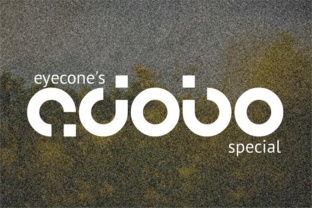
Adobo: A Unique Display Typeface for Makers
The afternoon light was filtering through the window, casting a soft glow over my worktable scattered with wax samples, empty glass jars, and a half-empty cup of tea. I was in the middle of designing labels for a new batch of hand-poured soy candles, specifically a spicy cinnamon and clove blend. The challenge wasn't just the scent or the burn time; it was finding the right voice for the label. I needed something that felt warm and inviting but also had enough character to stand out on a crowded shelf. That is when I opened my design software and selected Adobo.
As I typed "Cinnamon Clove" into the text box, the screen transformed. Adobo is not just another font in a long list of generic options; it is a unique display typeface that immediately commands attention without shouting. Its visual personality is distinct, carrying a charm that feels both modern and timeless. For a crafter like me, who spends hours perfecting every detail of a handmade product, the choice of typography can make or break the perceived quality of the item. With Adobo, the words seemed to dance slightly, offering a rhythm that matched the cozy, rustic vibe of the candle itself.
Bringing Brand Identity to Life with Adobo
In the world of handmade goods, your brand identity is often communicated through the smallest details. When I started applying Adobo to my mockups, I noticed how quickly it elevated the overall presentation. Whether I was designing boutique tags for a small clothing line or creating packaging for a set of artisan soaps, this display font added a layer of sophistication that simple sans serif fonts sometimes lack. It has that premium feel that customers associate with high-quality, curated items.
The versatility of Adobo is particularly impressive for those of us who wear many hats. One morning, I might be working on wedding invitations where the font needs to be elegant yet playful. The next day, I could be cutting vinyl decals for a local coffee shop's merchandise. In both scenarios, Adobo held its own. As a display font, it excels at grabbing the eye. It is perfect for short phrases, names, titles, and decorative wording. If you are looking to create a logo design or editorial design elements for a blog post about your craft, this typeface provides the necessary impact.
I remember testing Adobo on a series of printable wall art pieces intended for a nursery collection. The bold strokes and unique curves of the letters made the motivational quotes pop against the pastel backgrounds. It proved that this font isn't limited to one aesthetic; it adapts beautifully to different moods, from the farmhouse chic of a kitchen sign to the modern minimalism of a digital planner page.
Practical Applications for Handmade Products
When it comes to real-world applications, Adobo shines across a variety of mediums. For Cricut and Silhouette users, the clarity of the letterforms makes it an excellent choice for cutting machines. I tested a sticker sheet featuring the font in various sizes, and even at smaller dimensions, the intricate details remained crisp. This readability is crucial for product labels and small stickers where legibility can be compromised by overly complex scripts.
Here are some of the ways I have integrated Adobo into my creative workflow:
- Candle and Soap Labels: Using the font for the product name creates an instant focal point, while pairing it with a clean description ensures all necessary information is clear.
- Greeting Cards and Invitations: The unique character of the font adds a personal touch to birthday cards, wedding welcome boards, and holiday tags.
- Apparel and Accessories: On t-shirts, tote bags, and mugs, Adobo stands out as a statement piece, perfect for slogans or brand names.
- Digital Downloads: From planner pages to social media graphics, the font enhances the visual appeal of digital assets, making them more attractive to buyers.
- Packaging Design: Custom boxes and shipping tags look significantly more professional when branded with a cohesive and stylish typeface.
The emotional appeal of Adobo cannot be overstated. Typography influences how a customer perceives your product before they even touch it. A well-chosen font suggests care, creativity, and attention to detail. When a potential buyer sees a listing image featuring Adobo, they subconsciously register the product as thoughtful and well-designed. This builds trust and encourages engagement, which is vital for any small business owner trying to grow their audience.
Mastering Font Pairing and Readability
While Adobo is stunning on its own, knowing how to pair it with other fonts can take your designs to the next level. Because it is such a strong display font, it works best when paired with a neutral companion. I often combine Adobo with a clean sans serif font for body text. This combination allows the Adobo title to shine while ensuring that longer descriptions, ingredient lists, or event details remain easy to read.
For a softer, more romantic look, pairing Adobo with a delicate script font or a handwritten font can create a beautiful contrast. However, caution is advised. Since Adobo already has significant character, avoid pairing it with another heavy display font, as the two will compete for attention rather than complement each other. The goal is balance. Whether you are designing a wedding invitation suite or a seasonal holiday card, the hierarchy should guide the reader's eye naturally from the headline to the supporting text.
Readability is also key when scaling designs. While Adobo looks fantastic in large formats like signs or banners, it is important to test it at the actual size it will be printed. For very small text, such as fine print on a bottle cap or a tiny tag, the intricate details might get lost. In these cases, using Adobo strictly for the main title and switching to a simpler serif font or sans serif font for the details is a smart strategy. Always print a physical proof before committing to a full run of products.
Licensing and Technical Considerations for Sellers
Before you start selling your creations, it is essential to understand the technical aspects of the font file. Adobo typically comes in standard industry formats like OTF and TTF, ensuring compatibility with most design software, including Adobe Illustrator, Photoshop, Canva, and cutting machine software. Checking the included styles is also important; many premium fonts offer alternates, ligatures, swashes, and different weights that can add extra flair to your designs. These features allow you to customize the look further, perhaps adding a special flourish to a wedding monogram or a unique character to a logo.
Most importantly, always verify the commercial font licensing. As a maker selling physical products, templates, printables, or SVG-style designs, you need to ensure that your license permits commercial use. Some licenses may restrict the number of impressions or require an upgrade for high-volume production. Understanding these terms protects your business and ensures you are operating ethically within the creative community. Adobo is designed to be a versatile asset for creators, but respecting the licensing agreement is part of being a professional designer.
Ultimately, choosing the right font is about storytelling. Adobo tells a story of warmth, creativity, and individuality. It transforms a simple jar of candle wax into a cherished home decor item and a plain t-shirt into a wearable piece of art. By incorporating this unique display typeface into your workflow, you are not just selecting letters; you are curating an experience for your customers. Whether you are a seasoned Etsy seller or just starting your journey as a handmade creator, tools like Adobo provide the foundation for building a memorable and successful brand.